

Energy and Endurance Supplements for Men
Maintaining physical stamina involves sleep, nutrition, and consistent training. Energy and endurance supplements contain ingredients that some men add to their routines to support daily physical output. This page details common natural capsules for strength and vitality, explains what plant extracts and amino acids they contain, and outlines how to evaluate them — focusing on ingredient information and realistic lifestyle context, not rapid performance claims.
What Supports Daily Endurance
Endurance is your capacity to sustain physical effort over time. It relies on glycogen stores for fuel, oxygen delivery through the bloodstream, and how efficiently your muscles recover between bouts of work. Energy and endurance supplements often contain ingredients structurally involved in these processes — branched-chain amino acids, specific plant extracts, and compounds that participate in cellular energy pathways.
These products are meant to sit alongside a diet that provides adequate carbohydrates and protein. No capsule replaces the foundational need for rest, proper food intake, and consistent training. What a supplement can do is provide concentrated amounts of specific compounds that may be inconvenient to get from food alone in the quantities found in a serving of powder or a capsule.
When you see the word "endurance" on a label, it refers to the category of ingredients inside — not a guaranteed outcome. The practical question is whether those ingredients fit your routine, your training volume, and your overall nutrition. Reading the label and understanding what each compound does at a structural level is how you make that decision.
Plant Extracts in Vitality Capsules
Natural capsules for strength and vitality frequently feature plant extracts with long histories of traditional use. We provide botanical and geographic context so you know exactly what plant you are reading about on a label — where it grows, which part is used, and how it is typically standardized.
Each plant below appears frequently in men's vitamin supplements marketed toward active lifestyles. Knowing the origin and standardization method helps you compare products on substance rather than packaging.
Ashwagandha
Withania somnifera · Ayurvedic traditionA shrub used in traditional Ayurvedic contexts, commonly standardized to a specific withanolide content. The root is the part typically processed into extract form. Standardization to a known withanolide percentage is how manufacturers aim for consistency between batches.
Maca Root
Lepidium meyenii · Peruvian AndesA plant native to the high-altitude Peruvian Andes, typically sold as a gelatinized powder in capsule form. Gelatinization refers to a heat process that removes starches, making the powder more concentrated and easier to mix. The root is harvested, dried, and ground before processing.
Tongkat Ali
Eurycoma longifolia · Southeast AsiaNative to Southeast Asia, the root of this tree is standardized for compounds called quassinoids. Manufacturers specify the quassinoid percentage on the label to indicate extract concentration. The raw root is bitter, which is why it is almost always consumed as a standardized extract rather than a whole powder.
Amino Acids and Physical Output
Amino acids are the building blocks of protein. Three of them — leucine, isoleucine, and valine — are collectively called branched-chain amino acids (BCAAs) and are prominent in energy and endurance supplements marketed toward active men. They are called "branched-chain" because of their molecular structure, which differs from other amino acids in how the body metabolizes them.
Another compound, beta-alanine, is an amino acid that buffers acid in muscles during high-intensity effort. It is commonly included in pre-training formulas. Understanding the difference between a complete protein source — which contains all essential amino acids in whole-food form — and an isolated BCAA capsule helps you decide if a specific supplement fits your routine or simply duplicates what you already get from meals.
Leucine, isoleucine, valine — the three BCAAs. Leucine in particular is associated with muscle protein synthesis signaling in nutritional science literature.
Beta-alanine — buffers acid buildup in working muscles. Often causes a harmless tingling sensation under the skin at higher doses.
Complete protein vs. isolated BCAA — a complete source gives you all nine essential amino acids. An isolated BCAA capsule gives you three. Both have a place, depending on your total protein intake and training schedule.
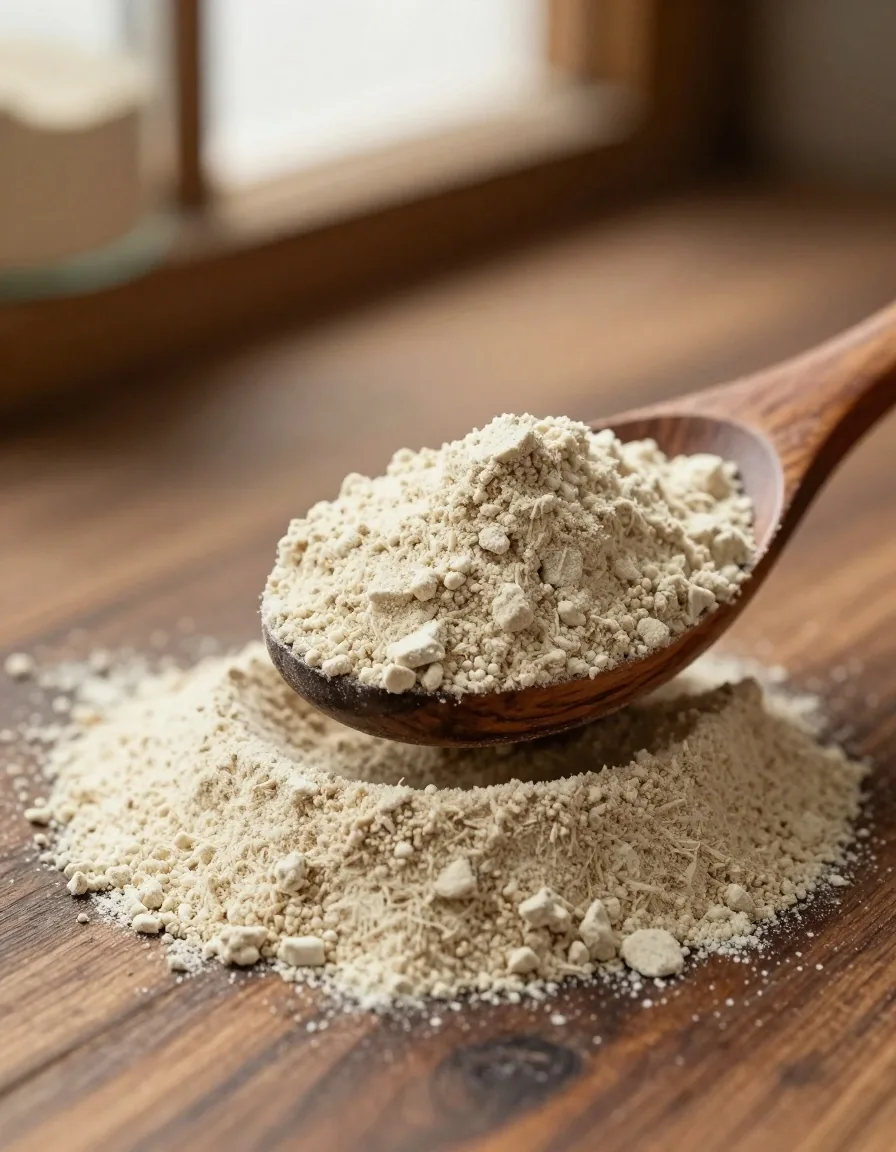
A serving of amino acid powder measured by hand. Powders allow precise dosing for active routines.
Format Differences: Powders vs. Capsules
Energy supplements come as pre-mixed powders and capsules. The format dictates how and when you take the product — mixing a powder before training, or swallowing a capsule with breakfast. Each has practical trade-offs.
Powders
Allow for larger doses of ingredients like creatine or BCAAs. A single serving might contain five grams of an active ingredient, mixed with water. The trade-off is convenience — you need a shaker, liquid, and a few minutes to prepare it.
Best for: pre-training routines where dose size matters more than portability.
Capsules
Offer convenience and precise dosing for plant extracts. A capsule typically holds around 500 milligrams. The trade-off is volume — taking five grams of a powder in capsule form means swallowing ten capsules, which is impractical.
Best for: plant extracts and smaller-dose compounds taken daily, not tied to a training window.
Understanding Extract Ratios
Labels on plant-based supplements often list extract ratios — such as 10:1 or 100:1. A 10:1 extract means ten parts of the raw plant were used to produce one part of extract. This tells you about the concentration process, not the final potency of active compounds.
A higher ratio does not automatically mean a product is more effective. The concentration of active compounds depends on the standardization process — the percentage of a named compound (like withanolides or quassinoids) that the manufacturer verifies in the final extract. Read the ratio alongside the standardization percentage to understand what you are buying. This is a critical detail for men comparing natural supplements for men that feature botanical ingredients.
How to read a label
All three numbers together tell the full story. A ratio alone is not enough.
Caffeine and Stimulant Labels
Many energy products contain caffeine, either synthesized or derived from natural sources like green tea extract or guarana. Caffeine is a nervous system stimulant that can temporarily reduce the perception of fatigue. Amounts vary widely — from 50 milligrams to over 300 milligrams per serving. Tolerance varies significantly between individuals.
Knowing the source and amount of caffeine in a supplement helps you manage your total daily intake, especially if you also drink coffee or tea. We outline how to read caffeine content on labels so you can compare it against what you already consume.
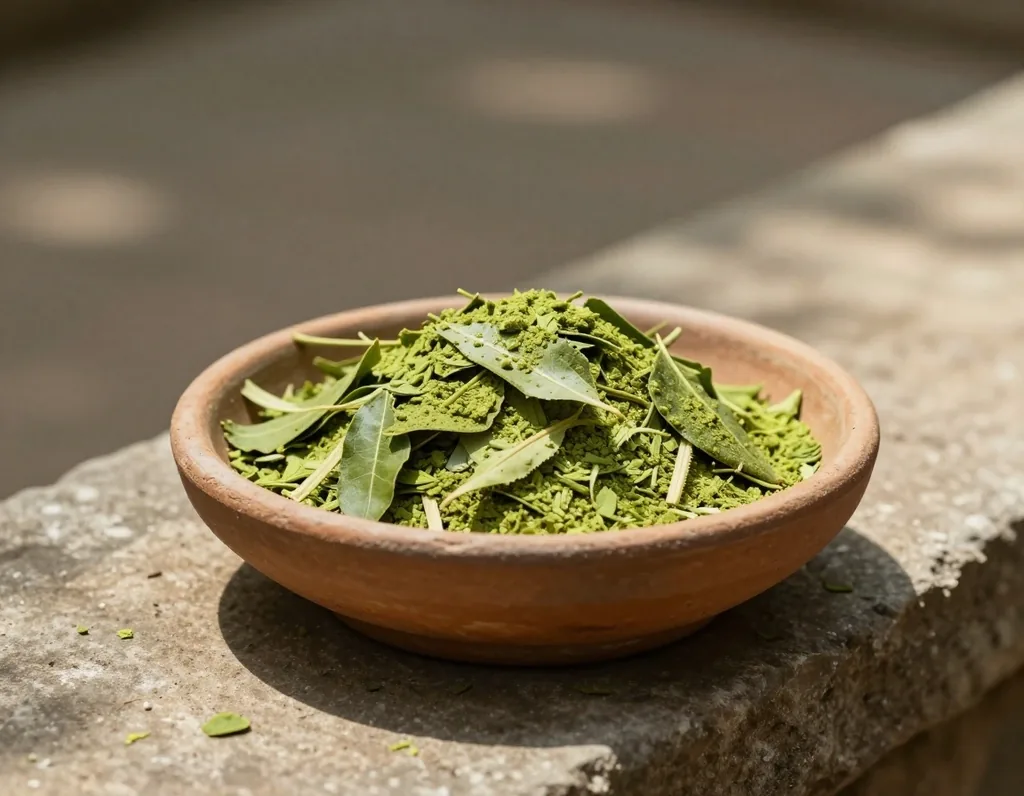
Green Tea Extract
A common natural caffeine source, typically listed as Camellia sinensis extract on labels.
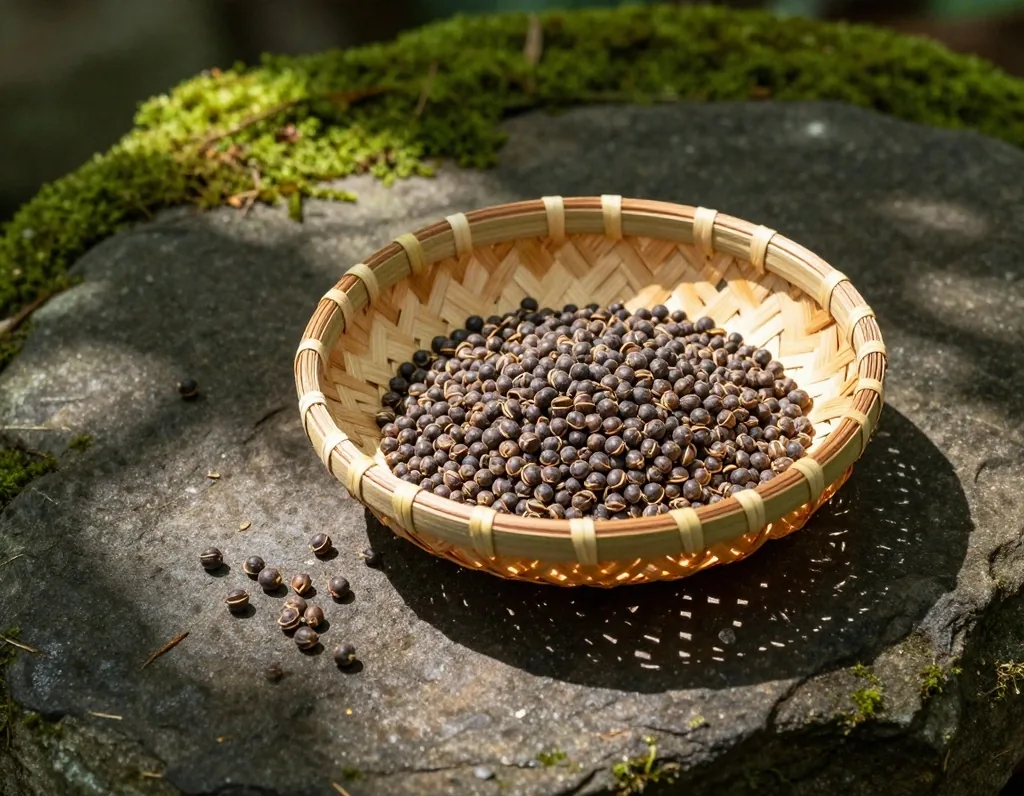
Guarana
A seed native to the Amazon, naturally high in caffeine. Often used in pre-training formulas.

Coffee Bean
The most familiar caffeine source. A standard cup of brewed coffee contains roughly 95 milligrams.
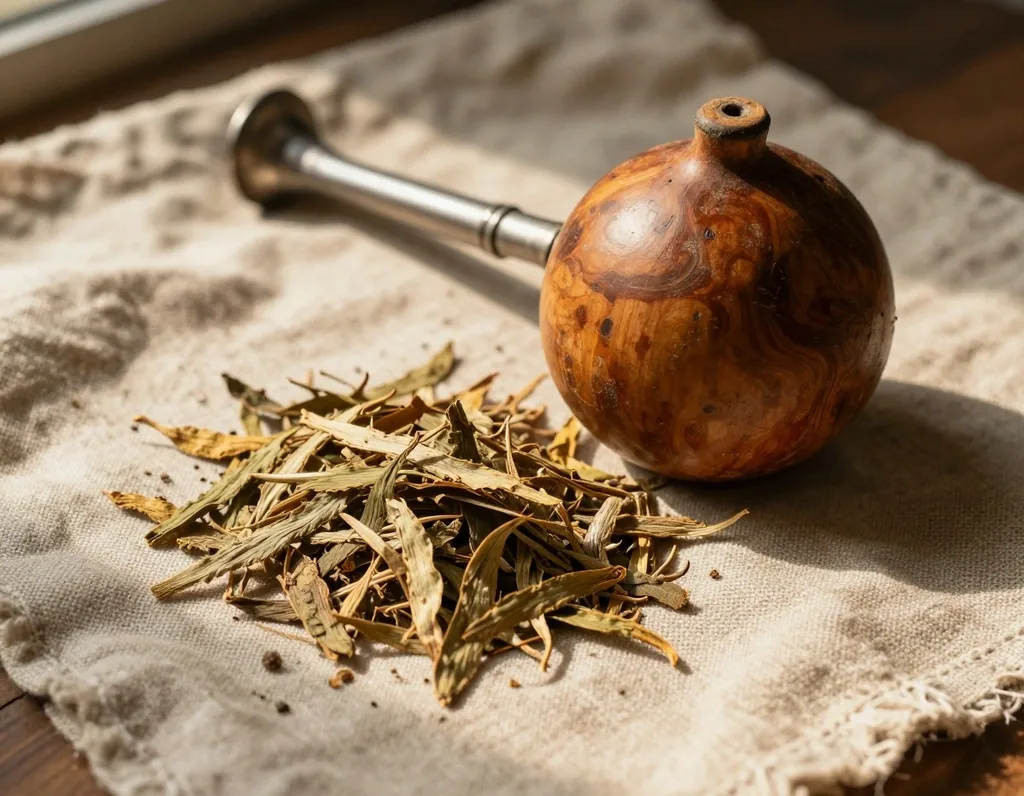
Yerba Mate
A South American plant leaf. Contains caffeine alongside other natural compounds in the same family.
If a label lists "caffeine from natural sources," check which source — the amount per serving can differ substantially between green tea extract and guarana.

L-Arginine and Nitric Oxide
L-arginine is an amino acid found in some endurance supplements. It is a precursor to nitric oxide, a compound involved in vasodilation — the widening of blood vessels. Some men look into L-arginine for blood flow support during training.
We provide the biochemical context of this ingredient without claiming it produces specific physical outcomes. L-citrulline is another amino acid often used in these formulas because it converts to L-arginine in the body through a natural metabolic pathway. Some formulators prefer L-citrulline because it may be absorbed more efficiently than L-arginine taken directly.
Found in
Watermelon is a natural food source of L-citrulline. Dairy, meat, and nuts contain L-arginine in varying amounts. Supplements concentrate these amino acids into measured doses.
Building a Supplement Routine
Adding energy and endurance supplements to your day requires a structured approach. Documenting what you take and when, then noting how you feel during training, helps you isolate the effect of a new product rather than guessing. These practical steps apply whether you are starting with a single plant extract capsule or assembling a broader stack of healthy lifestyle products.
Document your baseline
Write down what you currently eat, your sleep hours, and your training schedule before adding anything new. You need a reference point to compare against.
Add one product at a time
If you introduce two supplements on the same day, you cannot tell which one is responsible for any change you notice. One at a time, for a defined period.
Note how you feel
Keep a simple log — energy level, training output, sleep quality. Subjective notes are useful data when reviewed over several weeks, not single days.
Review and adjust
After three to four weeks, review your log. If the product fits your routine, keep it. If you noticed nothing, reconsider whether the ingredient is right for your goals.
These steps are a framework for integrating men's health support products into your schedule without creating confusion or overlapping ingredients. They do not guarantee any specific result — they help you make informed decisions based on your own experience.
We can help you read a label or compare products
If you have questions about a specific ingredient, an extract ratio, or how two products compare, reach out. We focus on ingredient information and practical context — no pressure, no sales pitch.
NutrisiPria
Monday to Friday, 9:00 AM – 6:00 PM